The cheapest furniture you will ever buy often turns out to be the most expensive. When paper-thin veneers begin to blister, screws strip out of crumbling particleboard, and a wobbling frame disrupts your domestic peace, the hidden cost of fast furniture quickly becomes clear. Still, facing steep price tags and fleeting trends makes anyone pause: is it worth investing in expensive furniture? It’s completely natural to wonder whether those premium figures reflect authentic, time-honoured cabinetmaking or merely inflated brand marketing.
In this guide, you’ll discover how cost-per-year economics reveal the quiet financial wisdom of well-made pieces, alongside the physical hallmarks that separate genuine craftsmanship from high-street imitations. We’ll explore the tactile joy of solid timber, provide a practical formula to evaluate true cost-per-use, and give you the confidence to invest in timeless, beautiful furniture built to last for generations.
Key Takeaways
- Calculate true cost-per-year by balancing initial purchase prices against structural lifespans to see whether is it worth investing in expensive furniture over flat-pack alternatives.
- Identify the hallmarks of master joinery, from traditional mortise-and-tenon framing to kiln-dried solid hardwoods, that prevent premature wobbling and joint failure.
- Target high-impact domestic investment zones, prioritising foundational bedroom furniture and daily dining seating where physical ergonomics and structural durability matter most.
- Apply an objective pre-purchase checklist to verify authentic timber provenance, tailored upholstery construction, and direct-to-consumer value before committing.
The Economics of Furniture: Calculating Cost-Per-Year Over Fast Fashion
True luxury in home furnishings is defined by endurance rather than ephemeral prestige. When asking whether is it worth investing in expensive furniture, the answer lies in separating disposable consumer culture from authentic domestic investments. Mass-market furnishings are engineered for immediate obsolescence, relying on synthetic resins and compressed sawdust designed to fail within three to five years. In contrast, heirloom pieces are built to serve your household for decades, transforming what appears to be an extravagant upfront expense into a remarkably sensible long-term financial decision.
Flat-pack convenience brings a relentless cycle of replacement fatigue. Every few years, cheap fixings loosen, laminates chip, and homeowners endure the tedious chore of dismantling, disposing of, and rebuilding unstable flat-pack frames. Investing in master craftsmanship breaks this cycle entirely, providing permanent structural calm throughout your home.
Deconstructing the Cost-Per-Year Formula
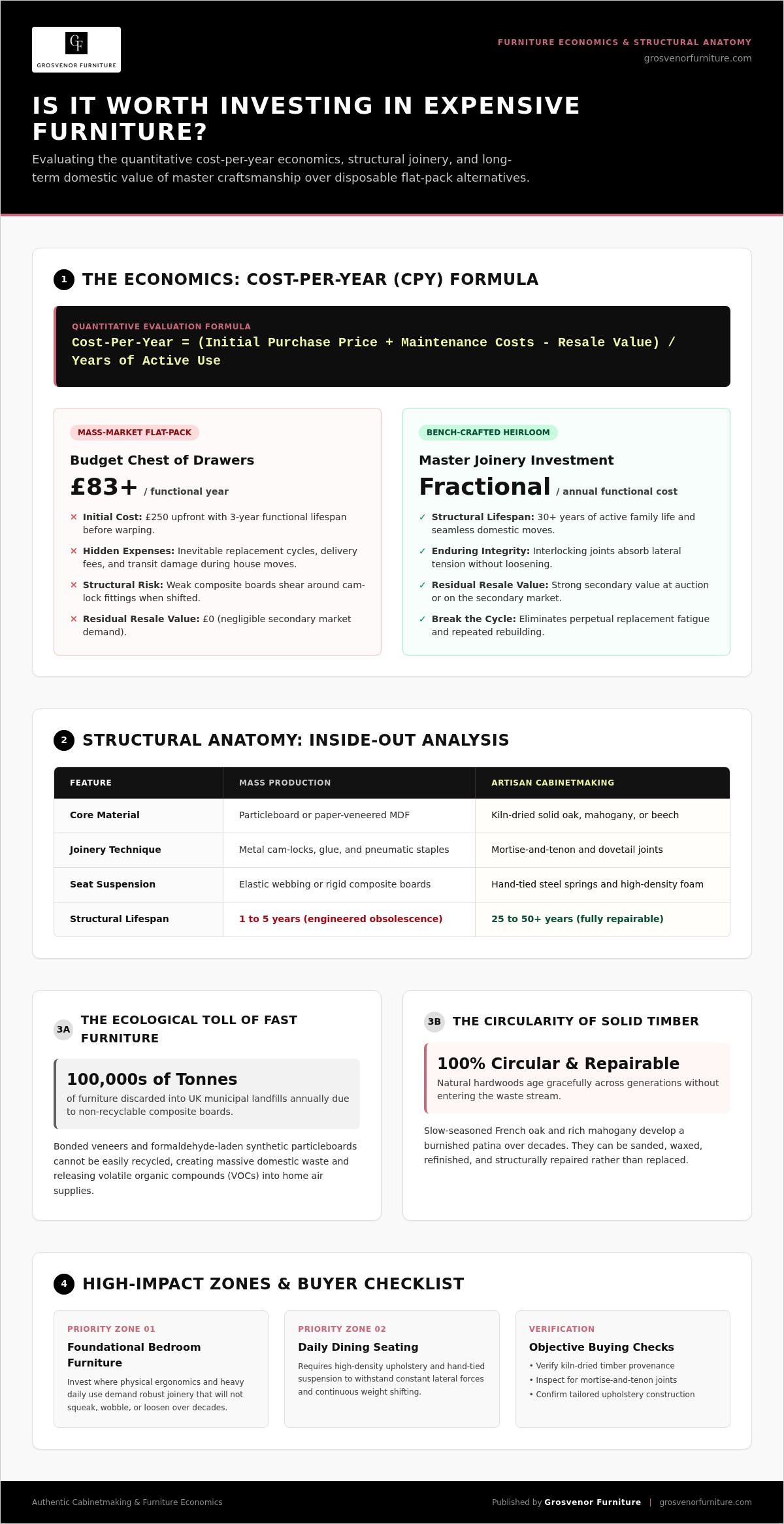
To understand the quantitative value of fine craftsmanship, apply the simple Cost-Per-Year (CPY) calculation:
Cost-Per-Year = (Initial Purchase Price + Maintenance Costs – Resale Value) / Years of Active Use
A budget chest of drawers costing £250 that warps after three years carries a functional expense of over £83 per year. When you factor in the inevitable replacement costs, delivery fees, and transit damage during house moves, that figure climbs swiftly. Weak composite boards frequently shear around cam-lock fittings when shifted. Conversely, a bench-crafted piece featuring authentic traditional wood joinery effortlessly withstands domestic moves and active family life for thirty years or more. Because solid timber commands strong residual value on the secondary market or at auction, its true annual cost often drops to a fraction of budget alternatives. This financial reality confirms why is it worth investing in expensive furniture for your core living spaces.
The Hidden Environmental and Disposal Costs
Beyond personal finances, disposable furnishings carry severe ecological consequences. The UK discards hundreds of thousands of tonnes of furniture into municipal landfills annually, as bonded veneers and formaldehyde-laden particleboards cannot be easily recycled. These synthetic boards also release volatile organic compounds into domestic air supplies, compromising indoor living quality. Solid timber collections offer a restorative, circular alternative; natural hardwoods age gracefully, developing rich character, and can be sanded, waxed, or repaired across generations without ever entering the waste stream.
Structural Anatomy: What Separates True Luxury Craftsmanship from Mass Production?
Authentic luxury rarely flaunts itself on the surface; it lives within the hidden framework of a piece. To understand why is it worth investing in expensive furniture, you must examine how it’s constructed from the inside out. Mass-produced items rely on pneumatic staples, surface glue, and fragile cam locks that loosen under everyday domestic strain. Master craftsmen rely on interlocking timber joints cut to absorb lateral tension. Where thin synthetic veneers peel away to reveal crumbling board beneath, seasoned hardwood breathes, developing a rich, burnished patina over decades of daily life.
| Feature | Mass Production | Artisan Cabinetmaking |
|---|---|---|
| Core Material | Particleboard or paper-veneered MDF | Kiln-dried solid oak, mahogany, or beech |
| Joinery Technique | Metal cam-locks, glue, and staples | Mortise-and-tenon and dovetail joints |
| Seat Suspension | Elastic webbing or rigid boards | Hand-tied steel springs and high-density foam |
| Structural Lifespan | 1 to 5 years | 25 to 50+ years (repairable) |
Solid Hardwoods Versus Engineered Composite Boards
Heirloom pieces use slow-seasoned timbers like French oak and rich mahogany. These hardwoods are kiln-dried to specific moisture tolerances, allowing the timber to adapt naturally to changing indoor temperatures without splitting. Particleboard swells irrevocably when exposed to accidental spills or British winter humidity. The unmistakable heft, deep grain, and tactile warmth of solid timber offer an immediate sensory confirmation of enduring quality.
Internal Architecture of Luxury Seating and Upholstery
Beneath the tailored cover of a premium dining chair or bed frame sits rigorous structural engineering. Budget pieces cut corners with weak elastic webbing that sags within months. High-end seating incorporates steel coil suspension and resilient foam cores wrapped in soft plumes, maintaining their shape after thousands of dinner gatherings. As detailed in The New York Times’ investigation into fast furniture, disposable upholstery rapidly degrades and ends up abandoned on curbsides. Discerning homeowners seeking resilient timber frames and tailored tailoring often turn to solid oak bedroom furniture and artisan dining chairs built to withstand active domestic life.
High-Impact Investment Zones: Where Should You Spend and Save?
A beautifully appointed home does not require an unlimited budget across every square metre; it demands strategic curation. Knowing where is it worth investing in expensive furniture comes down to identifying your home’s primary functional anchors. Pieces bearing continuous physical stress, body weight, and mechanical friction warrant uncompromising craftsmanship. Conversely, secondary accessories such as decorative lighting, accent cushions, and occasional lamp tables can be sourced thriftily without compromising structural integrity or comfort. Diverting funds from throwaway accents into master-crafted anchors prevents the rapid wear highlighted in EPA data on furniture waste, which reveals that over 80% of discarded furnishings end up in landfills each year.
The Bedroom Sanctuary: Bedsteads and Storage
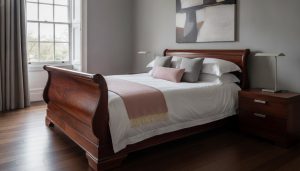
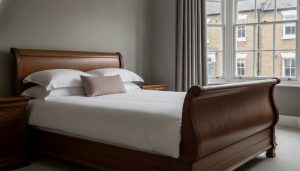
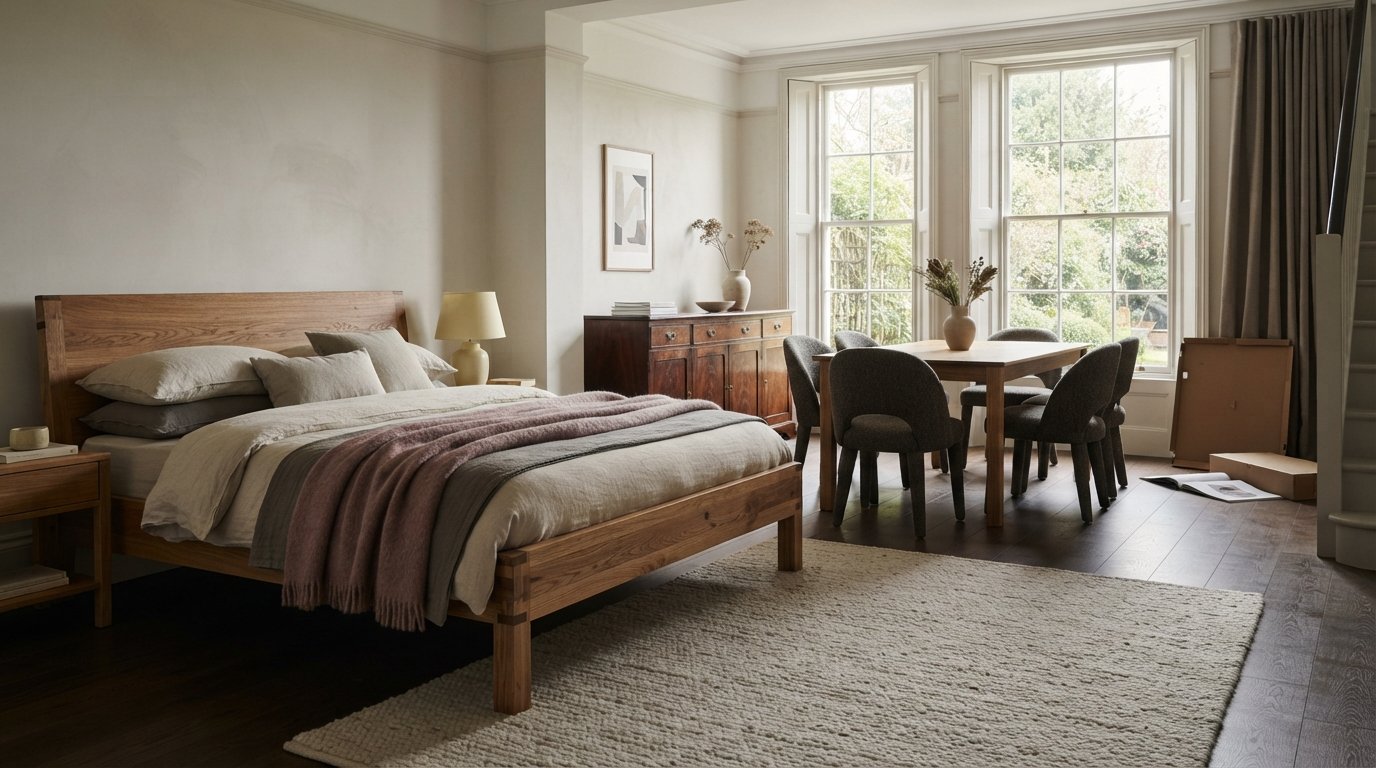
You spend a third of your life in bed, making sleep architecture an investment in physical health and restorative calm. Cheaper frames quickly develop creaking rails and loose brackets that wake you throughout the night. Solid timber construction provides quiet, rigid support. Those seeking timeless romance and enduring stability can explore our definitive guide to french style beds. Pair your bedstead with substantial chests featuring hand-fitted dovetailed drawers that glide effortlessly on solid runners, allowing you to curate timeless spaces using bedroom furniture crafted from solid timbers.
The Dining Room: Stability for Entertaining
The dining room serves as the social heart of the residence, enduring constant movement, shifting weight, and lively gatherings. Flimsy dining chairs with dowelled joints or cheap plastic framing inevitably wobble and loosen under the strain of weekly entertaining. Evaluating structural durability is why is it worth investing in expensive furniture for your entertaining areas, where unyielding jointwork and supportive seat suspension truly matter. Discerning hosts can examine tailored dining elegance with luxury dining chairs designed with mortise-and-tenon frames. Supportive lumbar profiles and dense upholstery keep guests comfortable during extended, multi-course dinner parties, which you can master by exploring upholstered dining comfort via covered chairs dining.
How to Evaluate Fine Furniture Before Buying: A Discerning Checklist
High retail prices do not always guarantee heirloom standards. Discerning homeowners must know how to audit craftsmanship independently, especially when shopping online. Deciding whether is it worth investing in expensive furniture requires looking past polished showroom imagery to inspect the fundamental build specifications. Use this objective checklist to evaluate any potential investment piece before committing your capital:
- Timber Origin and Composition: Ensure the specification clearly states 100% solid hardwood throughout, rather than deceptive phrases such as “hardwood solids with veneers” or composite back panels.
- Internal Frame Reinforcement: Verify that primary structural joins incorporate screwed-and-glued corner blocks alongside traditional mortise-and-tenon or French dovetail joinery.
- Upholstery Performance: Check that seating textiles feature commercial-grade Martindale abrasion ratings (ideally 30,000 rubs or higher) and resilient high-density foam cores.
- Sustainable Provenance: Look for timber sourced through certified forestry frameworks that ensure responsible management and seasoned log conversion.
- Specialist Logistics: Ensure the brand provides dedicated two-person room-of-choice home delivery and transparent structural guarantees.
Auditing Specifications and Materials Remotely
Digital shopping requires careful reading of technical descriptions. Beware of clever marketing descriptions like “engineered timber with artisan oak finish”, which simply denotes thin paper foil stretched over particleboard. Contact customer care teams to request close-up imagery of underside frames, unfinished drawer linings, and internal corner bracing. A manufacturer proud of bench-crafted standards will gladly showcase these hidden details.
Assessing Brand Integrity and Service Standards
True value involves cutting out unnecessary overheads rather than sacrificing craftsmanship. Traditional high-street luxury retailers inflate price tags to cover vast showroom leases and sales commissions. By contrast, direct-to-consumer cabinetmakers channel those savings back into premium French oak and rich mahogany timbers. Always review independent customer feedback focusing on multi-year resilience, ensuring the brand’s logistics team treats heavy hardwood deliveries with the white-glove respect they deserve. If you are ready to introduce enduring artisan quality into your home without middleman markups, explore bench-crafted bedroom and dining collections at Grosvenor Furniture today.
Curating Enduring Spaces: The Timeless Appeal of Grosvenor Furniture
Fashions in interior design evolve at dizzying speed, yet authentic grace never dates. Fast-furniture trends encourage disposable consumption, urging homeowners to discard entire living sets every few years as seasonal fads shift. Investing in classical silhouettes offers an antidote to this restless cycle. Drawing inspiration from centuries of European heritage, classical French design strikes a delicate harmony between ornamental elegance and everyday practicality. Wondering whether is it worth investing in expensive furniture comes down to whether a piece will retain its visual relevance. Rather than losing its charm, timeless timber design anchors a room with quiet dignity, establishing an emotional heirloom that gathers family memories across generations.
The Endurance of French Oak and Rich Mahogany
The visual depth of natural hardwood cannot be replicated by printed veneers. Each cut of sustainably sourced French oak and rich solid mahogany possesses individual grain swirls, distinct medullary rays, and warm organic undertones that make every crafted piece singular. Artisans shape these noble timbers with hand-carved cabriole legs, gentle curves, and tailored buttoned upholstery, turning functional bedroom and dining staples into tactile everyday luxuries. You can explore these classical styling traditions with authentic french style bedroom furniture designed to bring architectural romance into contemporary homes.
Direct Luxury Without Showroom Overheads
Acquiring fine bench-crafted furniture does not necessitate paying steep Mayfair gallery markups. Grosvenor Furniture operates on a refined direct-to-door model, connecting traditional woodworking directly with UK residences nationwide. By bypassing the immense rental overheads of physical town-centre showrooms, this approach channels capital directly into superior kiln-dried timbers, traditional mortise-and-tenon construction, and tailored upholstery fabrics. Dedicated white-glove transit teams employ specialist protective packaging protocols, safeguarding carved timber details, delicate fluting, and tailored headboards right to your chosen room. When considering if is it worth investing in expensive furniture, choosing pieces built with master joinery and direct value offers an enduring investment in daily domestic comfort.
Transforming Your Living Spaces with Enduring Artistry
Your home should be a personal sanctuary of quiet beauty, effortless comfort, and lasting stability. Ultimately, deciding whether is it worth investing in expensive furniture comes down to valuing structural permanence over disposable compromise. When you choose kiln-dried French oak and rich solid mahogany joined with traditional mortise-and-tenon cabinetmaking, you replace the frustrating cycle of flat-pack obsolescence with pieces that grow richer and more distinguished with age.
By bypassing traditional showroom markups, you can secure exceptional artisan craftsmanship directly for your household. With seamless nationwide UK delivery bringing bench-crafted upholstered beds, solid bedroom suites, and tailored dining chairs straight to your rooms, investing in true quality has never been more straightforward. Explore our timeless collection of handcrafted furniture and create an elegant, welcoming environment your family will cherish for decades to come.
Frequently Asked Questions
Is expensive furniture genuinely better quality than flat-pack alternatives?
Yes, authentic luxury furniture is fundamentally superior in both materials and structural integrity. Mass-market flat-pack items rely on compressed sawdust and fragile cam-locks that inevitably loosen under regular use. Premium furniture utilises dense kiln-dried hardwoods and master joinery like mortise-and-tenon framing. This build difference answers whether is it worth investing in expensive furniture, as fine cabinetmaking easily survives decades of daily household activity without failing.
How do I calculate the cost-per-year of luxury furniture?
Divide the initial purchase price plus any routine maintenance costs by the total years of expected daily use, then subtract its residual resale value. A mass-market unit replaced every three years creates repeated purchase cycles, assembly frustration, and delivery fees. In contrast, an investment hardwood piece serving your home for thirty years spreads its initial expense across decades, yielding a far lower annual expenditure than continuously replacing disposable furniture.
Which furniture pieces are most worthy of a larger budget investment?
Prioritise primary anchor pieces that endure continuous daily weight distribution and mechanical wear. Bedsteads directly govern sleep quality, spinal alignment, and quiet rest, making robust oak or mahogany frames vital. Equally, dining chairs and primary tables must absorb repeated movement and lively social gatherings. Secondary decorative accents, such as table lamps and soft textiles, can be sourced economically without compromising structural stability.
Does solid wood furniture maintain resale value over time?
Yes, authentic solid timber furniture retains significant residual value compared to composite alternatives. While laminate and particleboard items have virtually zero secondary market appeal once assembled, solid oak and rich mahogany pieces are sought after at auction and vintage marketplaces. Their ability to be sanded, waxed, and restored ensures they remain desirable domestic assets rather than landfill waste when redecorating your interior.
How can I tell if furniture is solid wood or cheap veneer when buying online?
Scrutinise product specifications for explicit phrases such as “100% solid hardwood throughout” and inspect construction close-ups. Descriptions mentioning “wood finish” or “manufactured wood” typically indicate paper-thin foils over composite cores. Look for end-grain alignment matching surface grain lines, dovetail drawer joints, and substantial product weights. Reliable retailers will readily share photographs of raw underside framing and traditional jointwork upon request.
Why is French oak considered an optimal material for luxury bedsteads?
French oak provides an ideal balance of dense structural strength, slow-grown grain resilience, and classic visual warmth. Its tight annular growth rings ensure superior resistance to splitting and warping under changing indoor climates. In heavy bedsteads, this density prevents frame creaking, loose rails, and joint fatigue over decades. The timber takes delicate hand carving beautifully, creating an elegant, enduring centrepiece for any master bedroom suite.
What should I look for in high-end upholstered dining chairs?
Look for solid hardwood frames assembled with mortise-and-tenon joints, heavy-duty suspension, and resilient seating foam. Avoid chairs joined solely with dowels or screws into soft plywood. Premium dining chairs incorporate steel spring or high-tensile webbed support beneath high-density foam cushions wrapped in soft batting. Ensure the upholstery fabric features commercial abrasion ratings of at least 30,000 Martindale rubs to endure celebratory dinner parties without pilling.
Does luxury furniture require difficult, specialised maintenance?
No, genuine solid timber and fine upholstery require only simple, routine domestic care to thrive. Regularly dusting solid oak or mahogany with a soft microfibre cloth and applying natural beeswax once or twice a year preserves its lustre and seals the grain. For tailored upholstery, gentle vacuuming and prompt blotting of spills keep fabrics pristine. This low-effort upkeep confirms why is it worth investing in expensive furniture that naturally ages with grace.