Your bedroom is more than a place to sleep; it’s a curated sanctuary where every texture and tone should evoke a sense of quiet, enduring luxury. You probably find yourself torn between the rustic, dependable charm of French oak and the opulent, storied grandeur of mahogany. It’s natural to feel a sense of hesitation, perhaps fearing that a bold choice today might feel dated tomorrow, or wondering which timber truly offers the resilience needed for daily life. Understanding the oak vs mahogany bedroom furniture pros and cons is the essential first step in ensuring your investment remains as beautiful in twenty years as it is today.
We’ll help you resolve the uncertainty surrounding how these distinct woods affect the atmosphere and light of your room. Whilst oak offers a versatile, airy aesthetic that celebrates natural grain, mahogany provides a deep, reddish-brown warmth that matures with age. This guide explores the practicalities of durability, the nuances of craftsmanship, and the aesthetic impact of each material. By the end, you’ll have the confidence to choose a timber that feels both timeless and personal, creating a bedroom that is a true reflection of your refined taste.
Key Takeaways
- Discover how the distinctive grain of French oak creates an airy, sophisticated atmosphere whilst mahogany offers a sense of stately, heritage-inspired drama.
- Gain a clear understanding of the oak vs mahogany bedroom furniture pros and cons to ensure your choice aligns with both your lifestyle needs and your aesthetic vision.
- Learn why both timbers are considered investment-grade hardwoods that provide enduring value and a timeless appeal for any high-end bedroom sanctuary.
- Master the art of selecting the perfect wood based on your room’s natural light and existing colour palette, including advice on how to elegantly mix different timber tones.
- Explore the subtle differences in texture and lustre that define these luxury materials, helping you to appreciate the artistry behind every hand-finished piece.
The Timeless Appeal of Oak and Mahogany in the Bedroom
Oak and mahogany have long stood as the twin pillars of high-end British furniture making, each representing a distinct facet of domestic luxury. Whilst oak offers a robust, earthy dependability that has graced English manors for centuries, mahogany brings a sense of exotic, 18th-century prestige that instantly elevates a room’s status. For the modern UK homeowner, choosing between these premium materials is rarely about following a temporary trend; it’s about selecting a high-value investment that will anchor the home for generations. Because the bedroom is a private sanctuary, the choice of timber must balance the practical need for durability with the emotional desire for a space that feels curated and timeless.
Why Material Choice Defines Your Bedroom Sanctuary
The atmosphere of your sleeping quarters is largely dictated by the textures and tones you invite into it. A room’s emotional temperature shifts significantly based on the timber you select. Oak, with its open, honest grain and honeyed biscuit tones, creates a grounding, organic environment that feels connected to the natural world. In contrast, mahogany offers a regal, sophisticated presence, its fine grain and deep hues suggesting a more formal and opulent retreat. When weighing up the oak vs mahogany bedroom furniture pros and cons, consider how the wood interacts with your light. If you aim for a space that feels both airy and historically rich, French style bedroom furniture provides an excellent design framework for seeing how these woods balance grandeur with everyday comfort.
Understanding Hardwood Durability and Patina
One of the most rewarding aspects of solid wood is the development of a patina, a soft, lustrous sheen that forms on the surface through years of careful use and polishing. Oak tends to mellow into a warmer, golden amber, whilst mahogany deepens into a rich, dark claret that exudes heritage. This evolution is only possible with solid timber; veneers often lack the depth to develop such character and are prone to chipping or peeling in luxury environments. Specific Hardwood characteristics, such as pore structure and cellular density, dictate how well a piece resists the minor scuffs and marks of daily life. Hardwood density is the measure of wood mass per unit volume, a technical specification that directly ensures the weight, stability, and enduring strength of a master-crafted bed frame or chest of drawers.
The Resilient Charm of Oak: Durability and Versatility
Oak is celebrated for its remarkable texture and visual honesty. The wood features prominent, swirling grain patterns and distinctive medullary rays that ensure no two pieces are identical, offering a bespoke, artisanal feel to even the most minimalist bedroom. Its natural palette is equally diverse, ranging from pale, creamy biscuit tones to deep, sun-drenched ambers. This organic variety makes it an exceptional partner for upholstered bedroom elements, where the tactile softness of linen or velvet meets the structured, reliable strength of timber. When weighing up the oak vs mahogany bedroom furniture pros and cons, oak’s innate ability to blend into various design schemes whilst remaining a striking focal point is a significant advantage for the discerning homeowner.
The Aesthetic Versatility of Oak Furniture
The design flexibility of oak is virtually unparalleled. It transitions gracefully between the rugged, honest charm of a rustic farmhouse and the refined, ornate elegance of sophisticated French Provincial styles. In the context of typically compact UK bedrooms, the lighter hues of oak are truly transformative. They work to reflect natural light rather than absorbing it, creating an essential illusion of space and airiness that darker, heavier woods might occasionally stifle. This visual lightness never comes at the expense of character; the intricate, dancing grain adds a layer of visual warmth and depth that prevents a room from feeling clinical, cold, or uninviting.
Practical Benefits: Strength and Longevity
Beyond its aesthetic appeal, oak is a powerhouse of durability. It possesses immense density and structural integrity, making it incredibly resistant to the inevitable scuffs, knocks, and pressures of daily life. Scientific data on the physical and mechanical properties of oak confirms its high Janka hardness rating. This technical benchmark translates to a superior ability to withstand dents and scratches compared to many other common hardwoods. This resilience makes maintenance remarkably straightforward, usually requiring little more than occasional dusting and the application of a quality wax to preserve its lustre. Because it’s so hard-wearing and steady, a master-crafted oak bed frame or chest of drawers isn’t merely a purchase; it’s a future heirloom designed to be cherished and passed down through generations. If you’re looking for pieces that marry this legendary strength with high-end design, exploring the finely crafted collections at Grosvenor Furniture is an excellent starting point for curating your personal sanctuary.
The Opulence of Mahogany: Elegance and Heritage
Mahogany represents the pinnacle of stately elegance, a timber that has defined the interiors of British manor houses and high-status estates for centuries. Its deep, reddish-brown hues and fine, straight grain offer a level of sophistication that’s difficult to replicate with lighter woods. Unlike the more rugged, open texture of oak, mahogany possesses a natural, shimmering lustre that creates a sense of immediate luxury and drama. When evaluating the oak vs mahogany bedroom furniture pros and cons, the sheer presence of mahogany often makes it the preferred choice for those seeking to create a room with a storied, heritage feel. This wood doesn’t just sit in a room; it commands it, maturing into a richer, darker claret tone as the decades pass.
Creating a Stately Atmosphere with Mahogany
In a master suite, a mahogany bed frame acts as a powerful focal point, anchoring the space with its dark, confident presence. The wood’s unique ability to both absorb and reflect light creates a moody, intimate evening glow, making it perfect for a sanctuary designed for rest and reflection. To achieve a truly aspirational look, pair these deep wood tones with rich, tactile fabrics such as heavy velvets or silk damasks. These Mahogany characteristics allow it to bridge the gap between traditional heritage and contemporary luxury, proving that classic materials never truly go out of fashion. Whilst oak feels grounding and organic, mahogany feels curated and exclusive.
The Craftsmanship of Mahogany Carvings
One of the most compelling reasons to choose mahogany is its exceptional workability for intricate, hand-finished details. The timber’s incredibly tight, uniform grain allows master craftsmen to execute finer, more delicate decorative work than is possible with the more porous structure of many other hardwoods. Beyond its surface beauty, mahogany is renowned for its remarkable stability. It’s significantly less prone to warping, shrinking, or swelling in response to the subtle changes in humidity found in British homes. This ensures that drawers glide smoothly and joints remain tight for a lifetime. This technical reliability, combined with its historical prestige, makes mahogany an exclusive choice for the discerning collector. It’s a timber that rewards the touch, offering a smooth, silk-like finish that speaks of quality, artistry, and an uncompromising commitment to fine design.
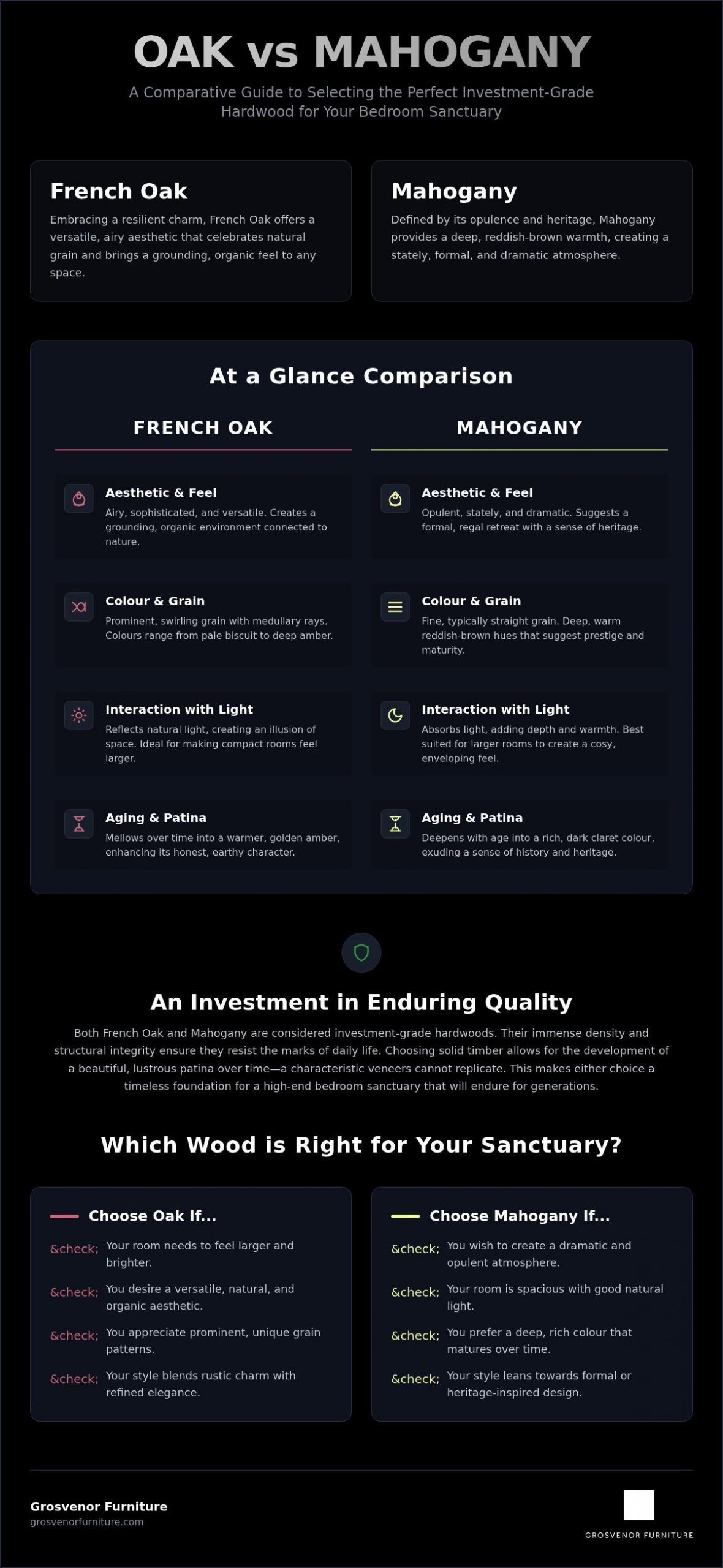
A Side-by-Side Comparison: Oak vs Mahogany Pros and Cons
Selecting the right timber involves more than just a preference for colour; it requires a thoughtful evaluation of how a piece will function within your daily life and your specific floor plan. When examining the oak vs mahogany bedroom furniture pros and cons, the primary differentiator is often the balance between rugged versatility and rare exclusivity. Whilst both are premium hardwoods, mahogany is significantly rarer and typically commands a higher price point in the timber trade, often costing up to four times as much as oak per cubic metre. This rarity adds to its allure for those seeking a truly unique, high-status interior that feels distinct from more common high-street offerings.
The “visual weight” of these woods also plays a crucial role in room layout. Oak, with its lighter biscuit and honey tones, tends to feel less imposing, allowing it to sit comfortably in smaller UK bedrooms without overwhelming the space. Mahogany, by contrast, possesses a deep, saturated claret hue that draws the eye and anchors a room. It requires a more deliberate approach to styling, as its dark presence can dominate a compact suite if not balanced with lighter fabrics or neutral walls. Maintenance requirements also differ slightly; oak is exceptionally forgiving and hides minor surface scratches amongst its prominent grain, whereas mahogany’s smooth, glass-like finish demands regular, gentle dusting to maintain its signature lustre and depth.
Pros and Cons of Solid Oak
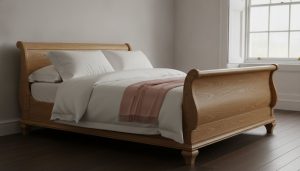
Oak remains a favourite for its exceptional durability and its ability to suit almost any decor style. It is a dense, heavy wood that offers immense stability, though this weight can make rearranging your room a more strenuous task. The prominent, dancing grain is a hallmark of quality, though some might find it too “busy” for strictly minimalist tastes. It is particularly successful when used for french style beds in oak, where the wood’s natural warmth complements the soft curves of the frame. Its ability to hide the scuffs of daily life makes it the practical choice for busy homes that still value high-end aesthetics.
Pros and Cons of Mahogany
Mahogany is the undisputed choice for those who desire unrivalled elegance and a heritage-rich atmosphere. Its fine, straight grain holds intricate, hand-carved details with a precision that coarser woods cannot match. However, its dark tones can make a room feel smaller if not lit correctly, and the smooth finish shows fingerprints and dust more readily than oak. For the discerning collector, these minor maintenance needs are a small price to pay for a timber that offers such a unique, opulent glow. It is a wood that speaks of history and artistry, perfect for creating a master suite that feels like a private, stately retreat.
If you are ready to invest in a piece that defines your home, explore our curated selection of mahogany bedroom furniture to find your next heirloom.
Selecting the Right Wood for Your Bedroom Sanctuary
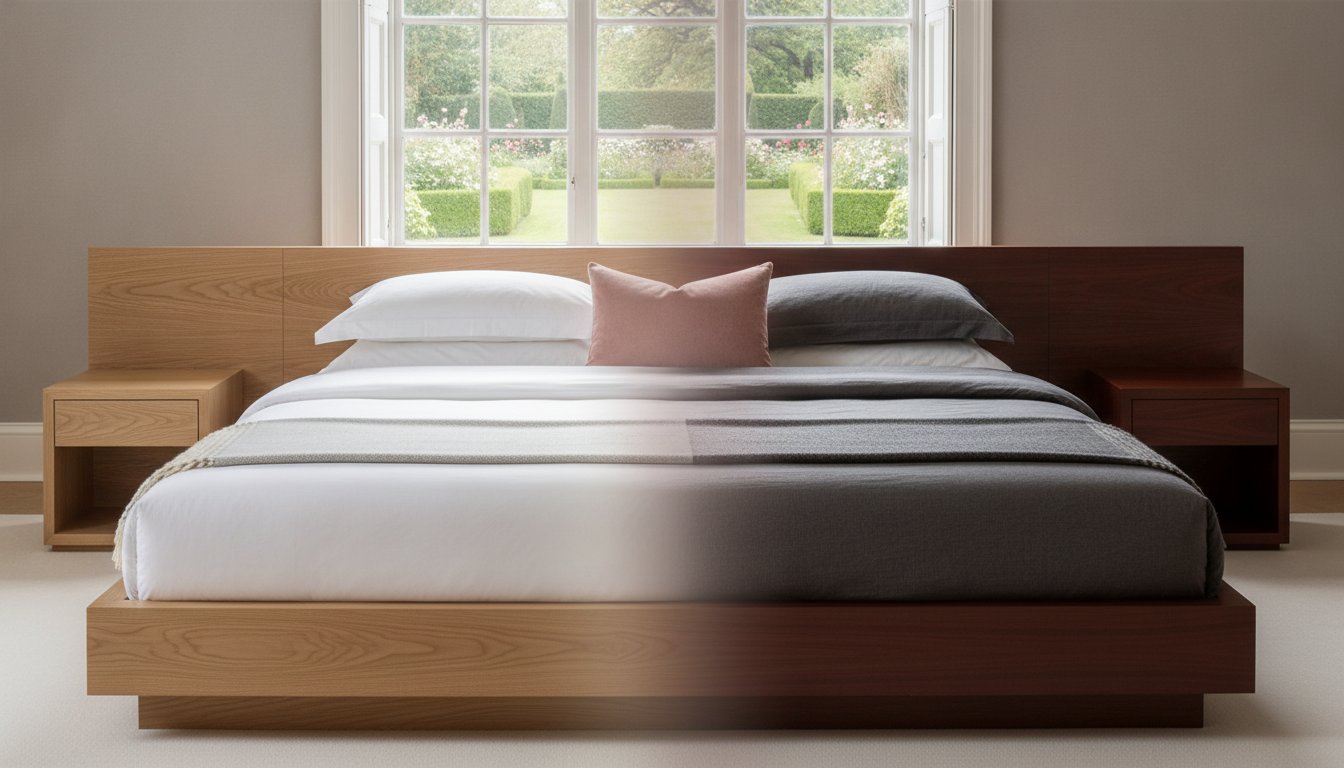
Your final decision rests upon the unique architecture of your home and the specific mood you wish to cultivate within your private retreat. When weighing the oak vs mahogany bedroom furniture pros and cons, consider the volume of your room and the quality of natural light it receives. Whilst mahogany offers a sense of regal permanence and history, oak provides a versatile, light-filled backdrop that adapts beautifully to changing seasonal decor. You may even find that a curated blend of both timbers creates a more layered, sophisticated feel; provided you maintain a consistent thread of high-end craftsmanship amongst the pieces, mixing woods can prevent a room from feeling overly clinical or staged.
Matching Wood to Your Interior Style
Choosing the correct timber is an exercise in visual balance and personal expression. Oak is the superlative choice for those who favour light, airy, and organic environments, such as Scandinavian-inspired retreats or classic French Provincial bedrooms where the wood’s natural grain provides a soft, grounding texture. Mahogany is better suited to dramatic, traditional, or eclectic “new-heritage” interiors that embrace a sense of storied grandeur and opulence. To prevent a master suite from feeling overly somber or enclosed, balance the commanding depth of mahogany with soft, reflective wall colours such as warm ivory, pale stone, or mist grey. This contrast allows the timber’s natural lustre to shine whilst maintaining a sense of space and modern elegance.
Final Considerations for Your Investment
Beyond the species of the wood, the true value of your furniture lies in the integrity of its construction and the artistry of its finish. A luxury timber deserves master-level engineering; always look for the hallmarks of quality that ensure a piece will become a cherished family heirloom. Ensure your chosen pieces feature solid wood drawer bases and traditional dovetail joints, as these details are the true indicators of a piece designed for longevity rather than temporary fashion. At Grosvenor Furniture, we pride ourselves on being a trusted advisor for those seeking the finest materials, offering a curated perspective on both the resilient charm of oak and the stately elegance of mahogany. Whether you desire the tactile warmth of a hand-finished oak frame or the deep, claret glow of a mahogany chest, your choice should be one that brings you a sense of quiet confidence and enduring comfort every evening.
Ready to transform your home into a timeless retreat? Explore our curated collection of luxury bedroom furniture and discover the perfect piece for your sanctuary.
Creating Your Timeless Bedroom Legacy
Selecting the perfect timber is the final brushstroke in the masterpiece that is your bedroom sanctuary. Whether you are drawn to the resilient, honeyed warmth of French oak or the deep, claret-toned opulence of mahogany, your choice anchors the room’s atmosphere for years to come. Reflecting on the oak vs mahogany bedroom furniture pros and cons reveals that whilst oak offers a versatile, grounding charm, mahogany provides an unrivalled sense of stately heritage. Both remain investment-grade hardwoods that reward the eye and the touch with every passing decade.
As an exclusively online luxury boutique, we specialise in bringing these exceptional materials directly to your home. Our expertly crafted French oak and mahogany pieces are designed to become the heirlooms of tomorrow, blending traditional artistry with contemporary durability. With national UK delivery available on all furniture sets, your journey toward a more refined and curated space is both seamless and inspiring. We invite you to View the Grosvenor Furniture Collection and discover the timber that speaks to your personal sense of style. Your perfect sanctuary is waiting to be realised.
Frequently Asked Questions
Is oak or mahogany better for a small bedroom?
Oak is typically the superior choice for compact UK bedrooms because its lighter biscuit and honey tones reflect natural light. This creates an essential illusion of space and prevents the room from feeling enclosed. Whilst mahogany offers a sense of stately grandeur, its deep claret hues can occasionally absorb too much light in smaller settings. Choosing oak allows you to maintain a bright, airy sanctuary without sacrificing the character of a premium hardwood.
Which wood is more durable for a bed frame, oak or mahogany?
Oak is technically the more durable choice for a bed frame due to its higher density and resistance to surface impacts. On the Janka hardness scale, oak performs exceptionally well at preventing the minor dents and scratches that occur during daily use. However, mahogany is prized for its immense stability; it’s less prone to warping or shrinking in response to humidity changes. Both materials offer the strength required for a high-value, long-term furniture investment.
Does mahogany furniture go out of style?
Mahogany is a heritage material that transcends temporary interior trends, ensuring it never truly goes out of style. Its historical association with British estates provides a sense of permanent luxury that modern, manufactured materials cannot replicate. In 2026, we are seeing a significant resurgence in darker wood tones as homeowners move away from clinical minimalism toward warmer, more characterful spaces. A mahogany piece remains a timeless anchor for any sophisticated, high-end bedroom suite.
How do I maintain the finish on my oak bedroom furniture?
Maintaining the finish on oak furniture is remarkably straightforward, requiring only regular dusting with a soft, lint-free cloth. To preserve the wood’s natural lustre and protect it from drying out, apply a high-quality furniture wax once or twice a year. Always wipe in the direction of the grain to avoid streaks. Because oak features a prominent grain, it’s particularly forgiving of the minor scuffs that naturally occur over decades of domestic use.
Can you mix oak and mahogany furniture in the same room?
You can certainly mix oak and mahogany in the same room to create a curated, eclectic atmosphere that feels personally tailored. The key to success is ensuring that both pieces share a similar level of craftsmanship and quality. When weighing the oak vs mahogany bedroom furniture pros and cons, remember that contrast adds depth. Balance a dark mahogany chest of drawers with a lighter oak bed frame, using neutral wall colours to harmonise these distinct timber tones.
What is the price difference between oak and mahogany bedroom sets?
Mahogany bedroom sets generally command a higher price point than oak due to the rarity and exclusivity of the timber. In the global timber trade, genuine mahogany can cost up to four times as much as oak per cubic metre. Whilst both materials are considered investment-grade hardwoods, mahogany is positioned as the rarer choice for the discerning collector. This price difference reflects the wood’s historical prestige and its superior workability for intricate, hand-finished decorative details.
Is mahogany more expensive than oak in the UK?
Mahogany is indeed more expensive than oak within the UK market, largely because it’s a rarer, more exotic hardwood. Whilst oak is a dependable and plentiful choice for high-end furniture, mahogany is reserved for pieces that signify the pinnacle of luxury and stately elegance. Both timbers represent a significant long-term investment, but the rarity of mahogany ensures it retains a higher market value and a more exclusive status amongst luxury home interiors.
How can I tell if my furniture is solid mahogany or a veneer?
To distinguish solid mahogany from a veneer, examine the grain patterns and the weight of the piece. Solid wood is significantly heavier and features a grain that flows naturally over the edges and through the joints. Veneers often display repeating patterns or visible seams where the thin layer of wood has been glued to a cheaper substrate. Check the underside of the piece or the interior of the drawers for consistent wood type and traditional dovetail joints.